Source Taiwan Sheer Ribbons for Gift Wrapping, Crafts, and Garments
Compare 30 Taiwan sheer ribbons from verified suppliers offering polyester and organza options. Buyers can evaluate woven patterns, wired edges, and custom packing for gift wrapping, crafts, and garment accessories.
Key considerations
Products List







Comprehensive Sourcing Guide
Taiwan Sheer Ribbons Sourcing Guide
Sourcing sheer ribbons from Taiwan requires a nuanced understanding of material properties, manufacturing capabilities, and supply chain dynamics. While the provided data indicates a significant volume of listings originating from China, the term "Taiwan sheer ribbons" often refers to a specific aesthetic or quality tier associated with high-end textile manufacturing in the broader Asian market. Buyers must distinguish between the geographic origin of the supplier and the design heritage of the product. Taiwan is historically renowned for its advanced textile engineering and high-quality synthetic fiber production, particularly in polyester and organza blends. When evaluating suppliers, it is critical to verify whether the "Taiwan" designation refers to the brand’s origin, the design studio’s location, or the actual manufacturing site, as many global brands outsource production to mainland China while maintaining quality control standards established in Taiwan.
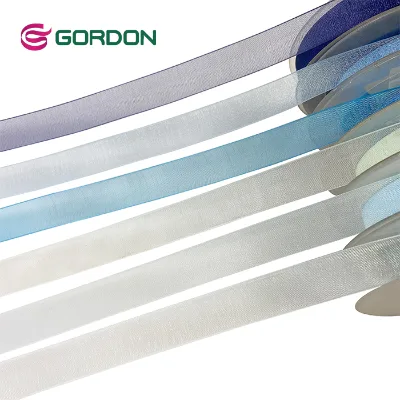
The procurement process for sheer ribbons involves balancing aesthetic requirements with functional durability. Sheer fabrics, such as organza and chiffon, are prized for their transparency, crisp hand-feel, and ability to hold shape, making them ideal for decorative applications. However, these materials are inherently delicate and require careful handling during both production and end-use. Buyers should prioritize suppliers who demonstrate expertise in weaving techniques that enhance the strength of sheer fibers without compromising their visual lightness. The decision to source from a specific region should be driven by the supplier’s ability to meet precise width, color, and edge-finishing specifications, rather than geographic labels alone. Understanding the technical nuances of sheer ribbon construction is essential for ensuring that the final product meets the rigorous demands of gift wrapping, garment accessories, and high-fashion embellishments.
Product Scope and Observed Listing Signals
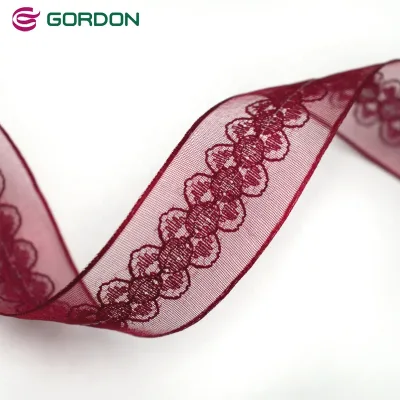
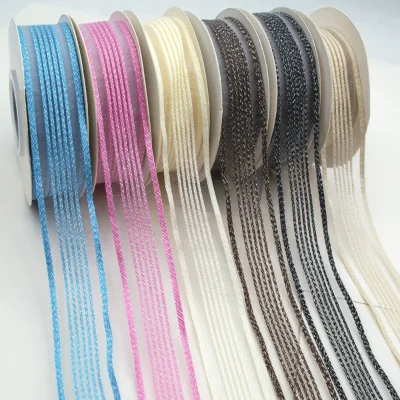
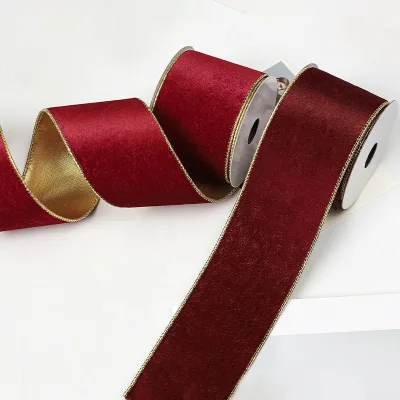
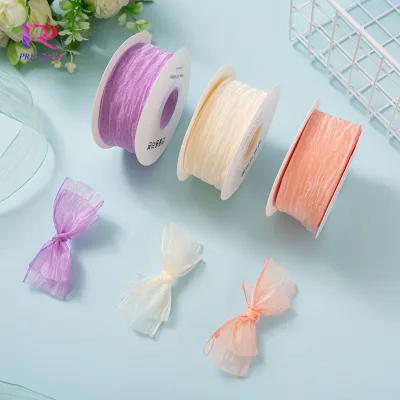
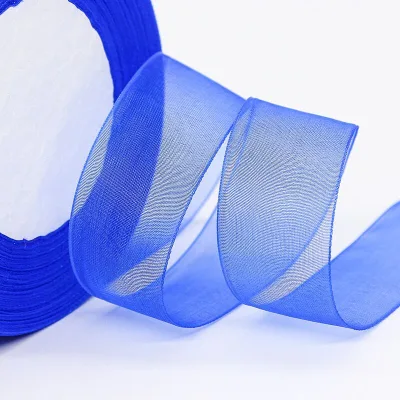
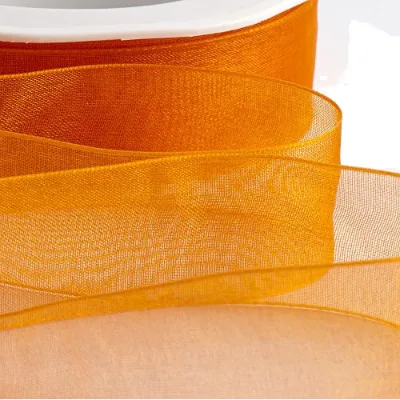
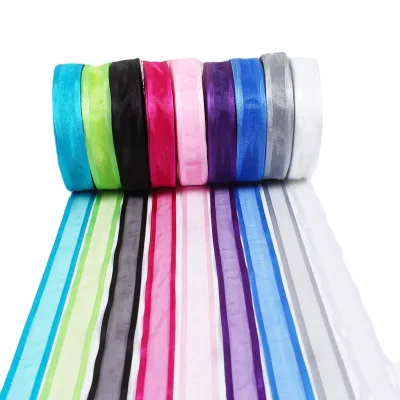
The current market landscape for sheer ribbons reveals a diverse range of product attributes, with polyester and organza being the dominant materials observed in listings. These materials are frequently offered in solid colors, plaid patterns, and striped designs, catering to a wide array of decorative needs. The product scope extends beyond simple flat ribbons to include specialized variants such as wired-edge ribbons, which provide structural integrity for crafting and floral arrangements. Buyers should note that while the core keyword suggests a specific regional focus, the actual product offerings often reflect a globalized supply chain, with many items explicitly listed as originating from China. This discrepancy highlights the importance of verifying the true origin of the product, as manufacturing capabilities and quality standards can vary significantly even within the same regional trade bloc.
Listing signals indicate a high degree of customization availability, with suppliers offering various packing options such as 100 yards per roll, 50 meters per roll, or custom packaging as per customer requirements. The observed price range is notably low, spanning from $0.01 to $16.77, which suggests a wide spectrum of quality tiers and volume discounts. Minimum Order Quantities (MOQs) vary considerably, ranging from as low as one unit for samples to 20,000 units for bulk orders, indicating flexibility for both small-scale buyers and large industrial purchasers. Additionally, the presence of specific model numbers and standardized widths, such as 1/8" to 3", provides a clear framework for technical specification. Buyers should use these signals to filter suppliers based on their ability to meet specific width, length, and packaging requirements, rather than relying solely on price or origin claims.
Technical Specifications to Verify
Verifying technical specifications is paramount when sourcing sheer ribbons, as minor deviations in width, thickness, or edge treatment can significantly impact the final product’s appearance and functionality. The observed data highlights a variety of standard widths, including 1/8", 1/4", 3/8", 1/2", 5/8", 3/4", 1", 1-1/2", and 2", as well as metric equivalents like 9, 16, 25, and 38 mm. Buyers must confirm that the supplier can consistently produce these widths within tight tolerances, as sheer fabrics are prone to stretching or shrinking during the weaving and finishing processes. Additionally, the type of ribbon, whether single-face or double-face, and the presence of features like wired edges, should be explicitly defined in the purchase order to avoid misunderstandings. The material composition, often listed as 100% polyester or organza, should be verified through physical samples to ensure the desired level of transparency and stiffness.
Length and packing specifications are another critical area for verification, as inconsistencies can lead to production delays or cost overruns. Listings indicate lengths of 50 or 100 yards per roll, with some suppliers offering custom packing solutions. Buyers should establish clear agreements on how length is measured and whether allowances are made for manufacturing variances. The fabric type, such as chiffon or organza, also dictates the handling requirements during application; for instance, embossed flower patterns on chiffon ribbons require different handling than plain organza. Furthermore, the edge finish, particularly for wired-edge ribbons, must be inspected for smoothness and durability to prevent fraying or wire exposure. By meticulously verifying these technical details, buyers can ensure that the sourced ribbons meet the precise aesthetic and functional requirements of their end products.
Compliance and Safety Documentation
Compliance and safety documentation are essential for ensuring that sheer ribbons meet international regulatory standards, particularly when used in consumer-facing applications such as gift wrapping or children’s products. The observed data includes references to Oeko-Tex Standard 100 certification, which is a widely recognized benchmark for textile safety, ensuring that the fabric is free from harmful substances. Buyers should request valid certification documents from suppliers to verify compliance, as this is crucial for maintaining brand integrity and avoiding legal liabilities. Additionally, suppliers should provide Material Safety Data Sheets (MSDS) and test reports detailing the chemical composition of the dyes and finishes used in the ribbon production. These documents help ensure that the products are safe for handling and do not pose health risks to consumers or workers.
Beyond chemical safety, buyers should also consider environmental and ethical compliance standards, especially if their brand emphasizes sustainability. The observed data mentions eco-friendly features, which may include the use of recycled polyester or environmentally friendly dyeing processes. Buyers should inquire about the supplier’s environmental management systems and certifications, such as ISO 14001, to assess their commitment to sustainable practices. Furthermore, it is important to verify that the supplier adheres to labor standards and ethical sourcing policies, particularly if the manufacturing takes place in regions with varying regulatory environments. By prioritizing compliance and safety documentation, buyers can mitigate risks associated with product recalls, regulatory penalties, and reputational damage, ensuring that their supply chain is both responsible and resilient.
Cost Drivers and Commercial Terms
Understanding the cost drivers and commercial terms is essential for effective budgeting and negotiation when sourcing sheer ribbons. The observed price range of $0.01 to $16.77 reflects significant variations based on material quality, width, pattern complexity, and order volume. High-quality organza or chiffon ribbons with intricate patterns, such as embossed flowers or plaid designs, will naturally command higher prices than basic solid-color polyester ribbons. Additionally, customizations such as specific widths, lengths, or packaging requirements can increase production costs. Buyers should analyze these cost drivers to identify opportunities for savings, such as consolidating orders to meet MOQ thresholds or selecting standard widths to reduce manufacturing complexity.
Commercial terms, including MOQs, lead times, and payment conditions, also play a crucial role in the total cost of ownership. The observed MOQs range from 20 to 60 rolls per color and size, with some suppliers offering free samples for stocked items. Lead times for sample orders are typically around 7 days, while bulk production lead times can range from 3 to 7 working days, depending on the order size and complexity. Buyers should negotiate favorable payment terms, such as partial upfront payments and balance upon shipment, to manage cash flow effectively. Additionally, it is important to clarify responsibilities for shipping, insurance, and customs duties to avoid unexpected costs. By carefully evaluating these commercial terms, buyers can optimize their procurement strategy and achieve better value for their investment.
Supplier Qualification and Quality Control
Supplier qualification and quality control are critical steps in ensuring the reliability and consistency of sheer ribbon supplies. Buyers should conduct thorough due diligence on potential suppliers, verifying their manufacturing capabilities, quality management systems, and track record. This includes reviewing their production facilities, equipment, and workforce expertise, particularly in weaving and finishing sheer fabrics. Suppliers with a history of producing high-quality ribbons for reputable brands are generally more reliable, as they have established processes for maintaining consistency and addressing defects. Additionally, buyers should request references or case studies to assess the supplier’s ability to meet specific technical and compliance requirements.
Quality control measures should be implemented throughout the production process, from raw material inspection to final product packaging. Buyers should establish clear quality standards and inspection criteria, including checks for color consistency, width accuracy, edge finish, and material integrity. Regular audits and third-party inspections can help identify and address potential issues before they impact the final product. Furthermore, suppliers should provide detailed quality reports and test results for each batch, allowing buyers to verify compliance with their specifications. By prioritizing supplier qualification and robust quality control, buyers can minimize the risk of defects, reduce waste, and ensure a steady supply of high-quality sheer ribbons for their operations.
Long-Term Procurement Checks
Long-term procurement checks are essential for maintaining a stable and efficient supply chain for sheer ribbons. Buyers should regularly review supplier performance metrics, including on-time delivery rates, product quality, and responsiveness to issues. This ongoing monitoring helps identify potential risks and opportunities for improvement, allowing buyers to address problems proactively rather than reactively. Additionally, buyers should stay informed about market trends, technological advancements, and regulatory changes that may impact the sourcing of sheer ribbons. This includes monitoring developments in sustainable materials, new weaving techniques, and evolving consumer preferences for eco-friendly products.
Building strong relationships with suppliers is also crucial for long-term success. Buyers should engage in open and transparent communication, sharing feedback and expectations to foster mutual trust and collaboration. Regular business reviews and joint planning sessions can help align goals and strategies, ensuring that both parties are working towards common objectives. Furthermore, buyers should diversify their supplier base to mitigate risks associated with single-source dependencies, while maintaining a core group of trusted partners for critical supplies. By implementing comprehensive long-term procurement checks, buyers can ensure a resilient and adaptable supply chain that supports their business growth and sustainability goals.
FAQs
What materials are used for these sheer ribbons?
The sheer ribbons are primarily made from polyester and organza materials. Some products feature 100% polyester composition while others utilize organza fabric types. These materials provide the necessary sheer quality and durability for various applications.
Which certifications do the ribbons hold?
Selected products carry the Oeko-Tex Standard 100 certification. This ensures the ribbons meet strict safety standards for human ecology. Buyers should verify specific item details as not all listed products may display this certification.
How is the ribbon packaging configured?
Packaging options include 100 yards per roll or 50 yards per roll configurations. Some items offer custom packing requirements based on customer needs. Standard rolls are often packed as 25m, 50m, or 100m depending on the specific product model.
Can I request custom patterns for these ribbons?
Customization is available for many of the listed ribbon products. Buyers can choose from solid, plaid, or striped patterns. Specific customization options depend on the individual supplier and product model selected for the order.
What is the typical lead time for orders?
Sample orders typically require 3 to 7 working days for processing. Some suppliers support sample orders within 7 days. Full production lead times may vary based on order volume and specific supplier capabilities.
Which widths are available for the sheer ribbons?
Available widths range from 1/8 inch up to 3 inches or 38 mm. Specific models offer widths like 15, 25, and 38 mm. Standard sizes include 1/8, 1/4, 3/8, 1/2, 5/8, 3/4, 1, 1-1/2, and 2 inches.
What is the minimum order quantity for these items?
Minimum order quantities vary by product, ranging from 20 to 60 rolls per color and size. Some items allow orders as low as 1 unit while others require up to 20,000 units. Specific MOQs depend on the selected supplier and product type.